
How Proper Base Installation Prevents Shifting Paver Walkways
To prevent shifting paver walkways, experienced local contractors focus on proper base installation, ensuring stability and longevity for your paved surfaces.
Understanding how proper base installation prevents shifting paver walkways is essential for property owners looking to ensure long-lasting, stable outdoor surfaces. When pavers are installed without a solid, well-prepared foundation, they become vulnerable to movement caused by soil shifts, freeze-thaw cycles, or heavy foot traffic. Local contractors who specialize in paver installation emphasize the importance of a properly prepared base, which acts as a stable support system that keeps pavers in place and maintains their appearance over time. Exploring this topic can help property owners make informed decisions about their paving projects and avoid costly repairs caused by shifting or uneven surfaces.
For those considering paver walkways, understanding the role of a proper base can highlight the value of working with experienced service providers. Local pros who focus on paver installation can assess site conditions, recommend appropriate base materials, and ensure the foundation is correctly installed to prevent future issues. Keeping this in mind can lead property owners to better maintain their outdoor spaces and enjoy durable, attractive walkways that stand up to the elements. Continued reading can provide practical insights into how expert installation practices contribute to the longevity and stability of paver surfaces.
- Paver installation - homeowners planning to install new walkways can benefit from local contractors who focus on proper base preparation to prevent shifting.
- Driveway paving - when existing paver surfaces begin to shift or settle, local service providers can assess and improve base stability to restore alignment.
- Patio construction - for projects where pavers may shift over time, local pros emphasize proper base installation techniques to ensure long-lasting stability.
- Walkway repair - if pavers are uneven or shifting, local contractors can evaluate and reinforce the base to maintain a level surface.
- Outdoor flooring upgrades - those seeking to upgrade or extend existing paver areas can rely on local experts to ensure proper base installation for durable results.
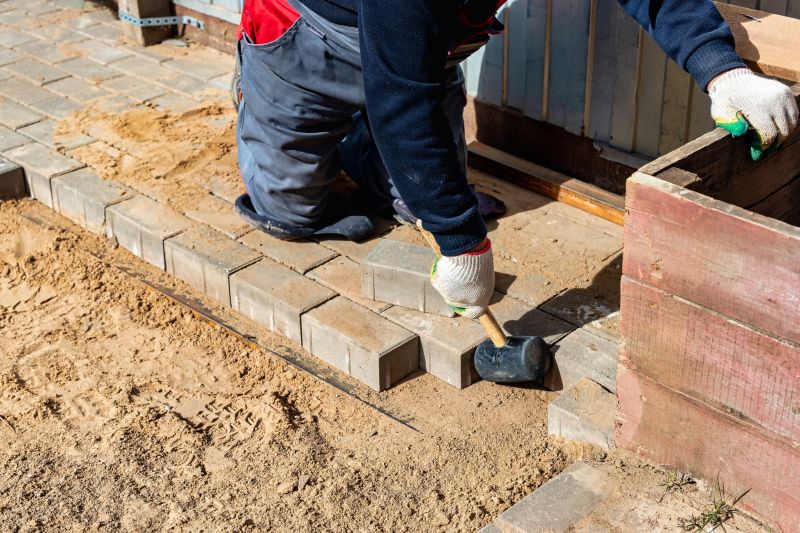

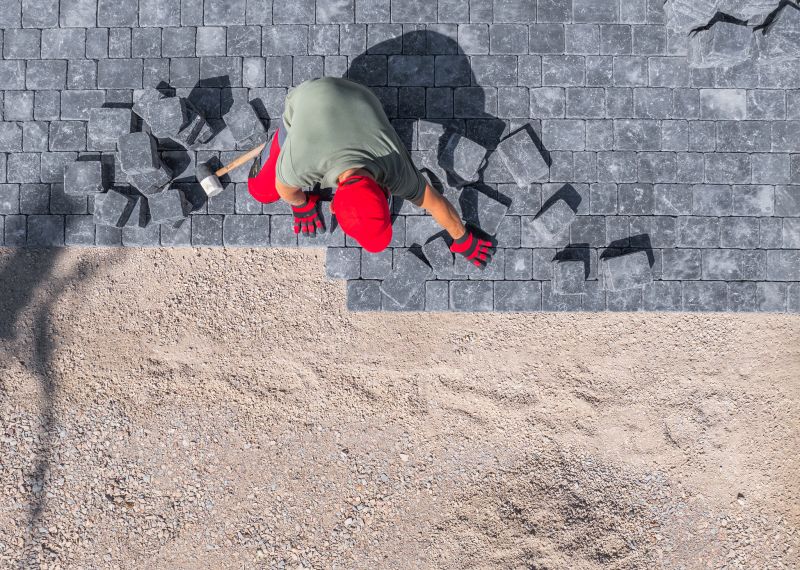
When homeowners search for information about how proper base installation prevents shifting paver walkways, they are typically concerned with the durability and stability of their outdoor surfaces. This topic often comes up in the context of planning or repairing paved paths, patios, or walkways that experience movement or unevenness over time. People want to understand why their existing paver installations may have become uneven or shifted and how correct base preparation can help avoid these issues from the start. The focus is usually on ensuring a long-lasting, safe, and visually appealing walkway that doesn’t require frequent repairs or adjustments.
Problems related to shifting paver walkways often stem from inadequate base preparation, poor soil conditions, or improper installation techniques. When the base beneath pavers isn’t properly installed, it can lead to uneven settling, cracking, or movement of the pavers. This is especially relevant when planning new projects or fixing existing walkways that have begun to shift. Homeowners with properties that have high foot traffic, expansive soil, or areas prone to moisture fluctuations are particularly aware of the importance of a solid base. Proper base installation is a critical step to ensure the walkway remains level and stable, preventing costly repairs and maintaining aesthetic appeal.
Properties that typically come up in discussions about paver installation include residential yards, commercial pathways, and community spaces. In residential settings, walkways often connect driveways to front doors or gardens, making their stability important for safety and curb appeal. Commercial properties, such as storefronts or parks, require durable walkways that can withstand frequent use and environmental stresses. In all cases, the condition of the property’s soil, climate factors, and the intended use of the walkway influence the importance of a well-executed base installation. Local service providers who specialize in paver installation understand these property-specific needs and can advise on the best base preparation techniques to prevent shifting.
Proper base installation involves more than just spreading gravel or sand; it requires careful compaction and the right materials to create a stable foundation. When local pros prepare the base correctly, they reduce the risk of future movement by ensuring proper drainage, soil compaction, and a level surface. This foundational work is essential for preventing shifting paver walkways, especially in areas with challenging soil conditions or weather patterns. Homeowners planning new walkways or repairs should seek experienced service providers who understand how to install a solid base, as this step significantly influences the longevity and stability of the finished project. Connecting with local contractors who prioritize proper base techniques can help ensure that paver walkways stay level and intact for years to come.
Concrete Paving Projects - These projects require precise base preparation to ensure stability, similar to paver walkways that shift due to improper foundation work.
Patio Construction - Proper base installation is essential in patio projects to prevent settling and shifting, making this a related skill for stable paver walkways.
Driveway Installation - Achieving a durable and long-lasting driveway involves careful base preparation, which directly relates to preventing movement in paver pathways.
Retaining Wall Building - Building retaining walls demands solid foundational work, similar to how a proper base prevents shifting in paver walkways.
Landscape Edging Services - Installing landscape edging requires a stable base to maintain position, paralleling the importance of a proper foundation for pavers.
Stone Pathway Construction - Crafting stone paths involves base work that ensures longevity and stability, akin to preventing shifting in paver walkways through correct installation.
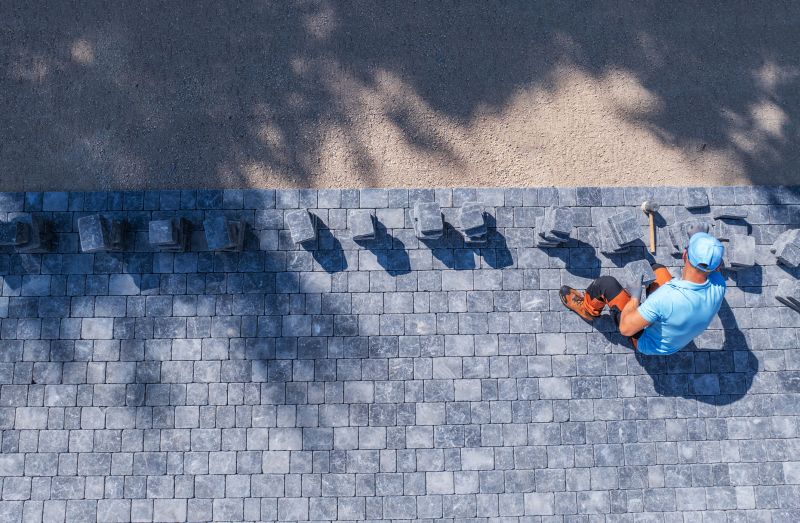
When evaluating contractors for paver installation services, it’s important to consider their experience with similar projects. An experienced service provider will have a clear understanding of how proper base installation contributes to preventing shifting paver walkways. They can share insights into effective base preparation techniques, such as selecting the appropriate materials and ensuring proper compaction, which are critical for long-lasting results. Asking about previous work on projects similar in size and scope can help gauge whether a contractor has the practical knowledge needed to handle the specific challenges of your walkway.
Clear, written expectations are essential when comparing local contractors. A reputable service provider should be able to outline their process, including how they approach base installation and what steps they take to prevent shifting over time. This transparency helps ensure that both parties have a shared understanding of the work involved and the standards being followed. Detailed estimates or project plans that specify the materials, methods, and quality benchmarks can serve as useful references when making a decision, providing confidence that the contractor intends to prioritize proper base installation for durability.
Reputable references and strong communication are also key factors to consider. Service providers with a track record of successful projects and satisfied clients are more likely to deliver quality results. Engaging with references or reviews can reveal how well a contractor communicates throughout the process, responds to questions, and addresses concerns. Good communication ensures that expectations are maintained and any potential issues related to base installation or shifting are promptly addressed. Choosing a local contractor who demonstrates professionalism and reliability in these areas can contribute significantly to the long-term stability and appearance of a paver walkway.
Property owners often search for how proper base installation prevents shifting paver walkways when they are planning practical projects around their homes and businesses. Local pros provide Paver Installation services for everyday jobs and straightforward project options.
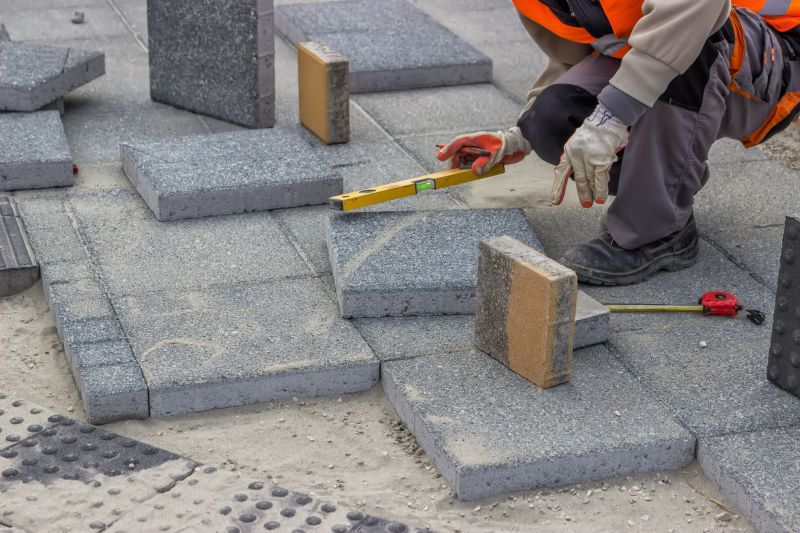
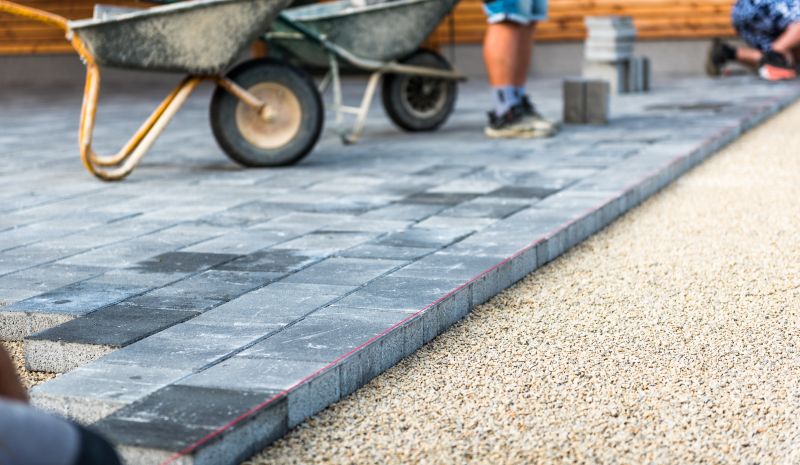
Proper base installation is essential for maintaining the stability and longevity of paver walkways. When property owners in the area consider installing or repairing a paved path, understanding how proper base preparation prevents shifting paver walkways can save them time and money in the long run. Local contractors emphasize the importance of a well-compacted foundation, which helps distribute weight evenly and prevents the pavers from settling unevenly over time. This foundational step is especially important in areas prone to soil movement or where the ground experiences seasonal changes, as it minimizes the risk of shifting and maintains a smooth, even surface.
Many property owners seek out professional paver installation services to ensure the base is properly prepared from the start. Skilled service providers know how to select and lay the right materials, such as crushed stone or gravel, and how to properly compact the base to provide a stable support system. By investing in proper base installation, homeowners and property managers can avoid common issues like uneven pavers, cracking, or heaving, which often result from inadequate groundwork. Connecting with experienced local contractors ensures that paver walkways are built on a solid foundation, helping them stay level and secure for years to come.
Why is a proper base important for paver walkways? A proper base provides stability and prevents shifting by distributing weight evenly, which helps maintain the walkway’s shape over time.
How does a well-installed base prevent pavers from shifting? A well-installed base ensures a solid foundation that minimizes movement caused by soil settling or freeze-thaw cycles, reducing the risk of paver displacement.
What materials do local contractors typically use for a stable base? Local contractors often use crushed stone, gravel, or sand as base materials because they provide good drainage and compaction, supporting long-term stability.
Can improper base installation lead to uneven paver surfaces? Yes, inadequate or poorly prepared bases can cause pavers to settle unevenly, leading to shifting and an uneven walkway surface.
How can hiring experienced service providers improve the durability of a paver walkway? Experienced service providers know how to properly prepare and install the base, which helps prevent shifting and extends the lifespan of the walkway.
Proper base preparation involves clearing and leveling the ground to create a stable foundation, helping paver walkways stay in place over time.
Selecting the right materials for the base, such as crushed gravel or sand, ensures proper drainage and reduces shifting caused by water or soil movement.
Consistent compaction of the base layer by local contractors helps eliminate air pockets and uneven spots that can lead to shifting or settling.
Ensuring proper slope and edge restraint during installation directs water away and keeps pavers securely in position, preventing movement caused by environmental factors.
If you are thinking about how proper base installation prevents shifting paver walkways for a property, this guide is meant to help you understand this topic, the typical project types, and how different options might fit your plans.
When you are ready, you can use the quote form on this page to share a few details about your project. From there, local pros can review the basics and follow up with options that match what you have in mind.